Narrative photography
With Bosnians warriors and injured
Mohammad Hussein Ghadami
Translated by: Zahra Hosseinian
2019-7-30
During the twenty-fourth anniversary of the Srebrenica Massacre in the Bosnian War, I remembered those days when some of the Bosnian warriors and wounded had been brought to Iran for treatment, and I left the conex box, where used as a small office for Literature and Art of Resistance, and visited them to hear and record their story and memories. I conversed with disabled veterans and injured who were accommodated in Enghelab Hotel and being treated in various hospitals of Tehran.
We took them to the shrine of Imam Khomeini, visited museums, watched football matches in Azadi Stadium, and finally we invited some of their narrators to our ‘Night of Memories’ event. One of them, who was the guest of fourth ‘Night of Memories’ event on April 8, 1993, said: ‘I’m Javad Sinanovich. I’m nineteen years old and student in the field of Electronics. I was injured five months ago. When the enemy began to massacre Muslims in our city, I and my friends prepared for fighting and moved toward the out of city. We encountered and clashed with the Serbian army at eight o'clock in the morning. After moments of hit-and-run fighting, I collided with a mine and lost my leg. I liked to stay and fight along with my friends, but unfortunately, they sent me back. When I was returning, I saw the horrible scene of cutting the head of a Muslim mother and her son, and I passed out. As I regained my consciousness in the hospital, screamed, ‘take me back, I want to take revenge’, but I was shocked and passed out for two days. I've not hear of my siblings, and don’t know what has happened to them. I thank the physicians who treat me and also the hospitality of great Iranian. I wish there would be no war anywhere in the world.’
See the following photos:
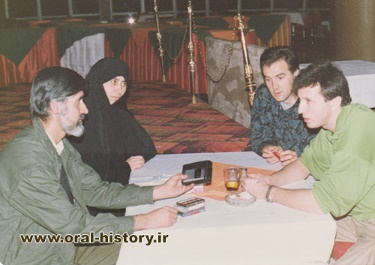
Hearing the memoires of Hussein and Ibrahim Begovich; tell what you feels like it...
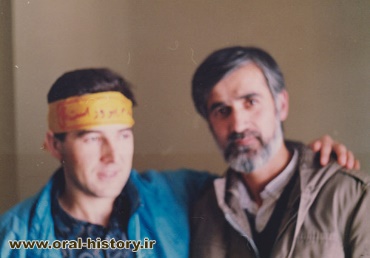
The only photo of Ibrahim I have
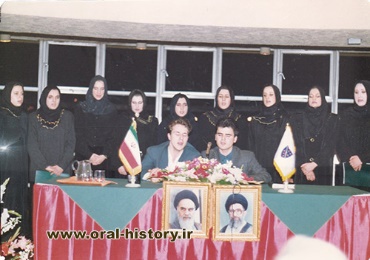
The Bosnian artists’ singing in the Enghelab Hotel
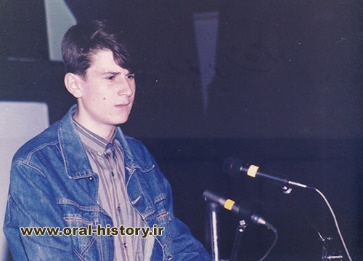
Javad Sinanovich on the fourth ‘Night of Memories’ event
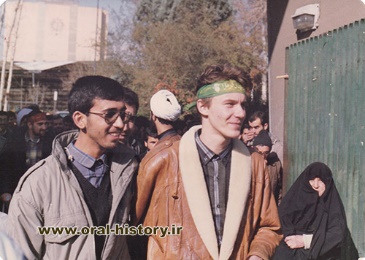
Admir after finishing of Friday Prayer at Tehran University; the face is the index of the mind…
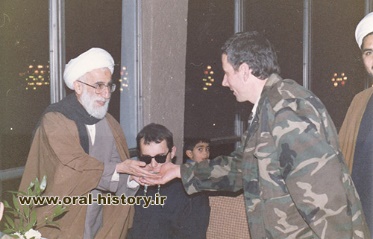
Honoring the guests on the last day of their presence
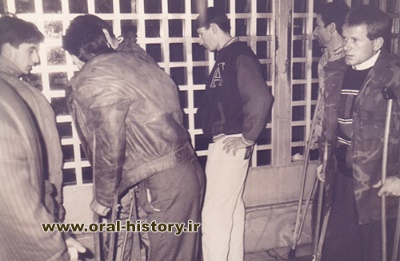
Stunned by simplicity and grace of the tomb of a great man who shook the world with the Islamic Revolution...
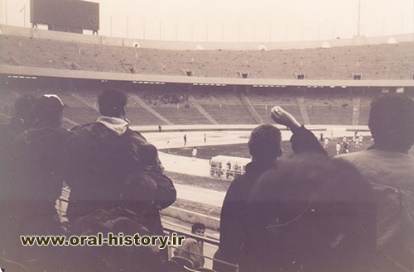
Azadi Stadium; no foreign spectator had encouraged the Iranian football team such a passionately...
Number of Visits: 7924
Share


The latest
- The Third Regiment: Memoirs of an Iraqi Prisoner of War - 52
- A year of non-stop questioning
- Memories of Mrs. Jumay Ahmed Karoufi
- Encountering Oral History from a Theatrical Perspective
- 100 Questions/51
- The Third Regiment: Memoirs of an Iraqi Prisoner of War-51
- Family History; A Legacy for Future Generations
- Oral History News for August 23rd – September 22nd 2026
Most visited
- The Third Regiment: Memoirs of an Iraqi Prisoner of War - 50
- Report of the Third Meeting of the Specialized Roundtable on Oral History of the Country
- Oral History News for August 23rd – September 22nd 2026
- 100 Questions/50
- Family History; A Legacy for Future Generations
- The Third Regiment: Memoirs of an Iraqi Prisoner of War-51
- Encountering Oral History from a Theatrical Perspective
- 100 Questions/51
100 Questions / 43
How can narrators and interviewers reach a common understanding?We asked several researchers and activists in the field of oral history to express their views on oral history questions. The names of each participant are listed at the beginning of their answers, and the text of all answers will be published on this portal by the end of the week.
Documentary Pathology of the US Embassy Documents
The Necessity of Scientific Rereading and Content Analysis of DocumentsMore than four decades have passed since the publication of the first collections of documents from the US Embassy in Tehran. However, despite the relatively easy access to this treasure trove of documents, systematic research exploitation of it has not been adequate. We still do not have a “comprehensive picture” of the content of these 11,000 documents.
100 Questions / 42
What is the importance of the narrator and interviewers shared understanding of the past in oral history?We asked several researchers and activists in the field of oral history to express their views on oral history questions. The names of each participant are listed at the beginning of their answers, and the text of all the answers will be published on this portal by the end of the week.
Validation: Challenges and Necessities
Where does truth stand in oral history? How can the correctness of a narrative be recognized? Does fact-checking matter? If there is exaggeration in the reporting of some accounts, how can it be detected? Is it possible to record an event accurately through the recording of a narrative? Readers and users of oral history works are often faced with these questions, and sometimes encounter doubts about some oral history works.