Documents and Images of
Ta An Setareh (Up to that Star) (Part One)
A Narrative of Zahra Shojaei Life and Struggles
Translated by Mandana Karimi
2026-5-28
The book "Ta An Setareh (Up to that Star)" by Tayyebeh Pazuki is one of the oral history works of Sooreh Mehr Publications, which narrates the turbulent life of Zahra Shojaei in the context of contemporary history. As an influential religious activist and politician, she was present for many years in various fields, including the presidency of the Center for Women's Participation Affairs, teaching at the university, and consulting in ministries. She was from the generation of women who, during the Islamic Revolution, came from the margins to the text to realize the ideals of their generation.
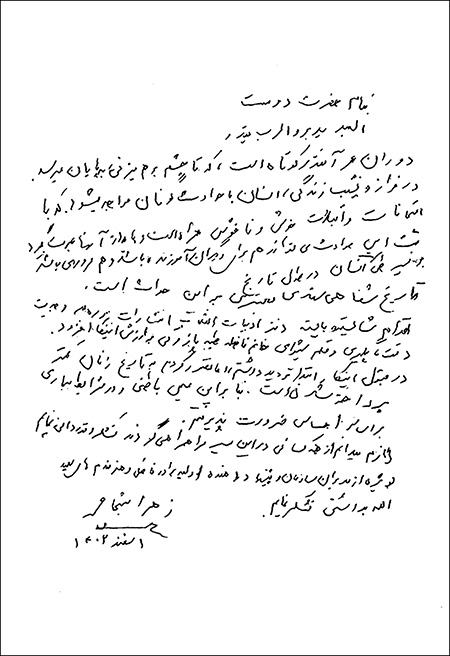
In the first part of this photo album that is now in front of you, very interesting documents and photos from her childhood, adolescence, and youth have been collected. Viewing manuscripts and poems from her school days, family photos from different periods, as well as interesting documents related to her questionnaire and correspondence before her marriage to Mr. Tavana, familiarizes the audience with the family roots and intellectual concerns of this active lady in the years before the revolution. We invite you to watch this section below.
 .,
.,
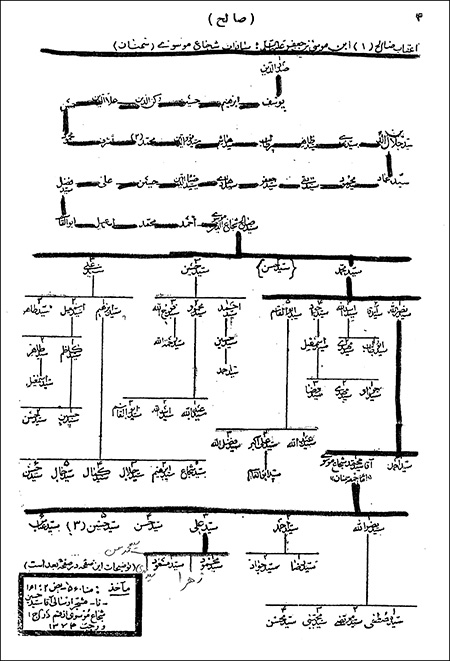
Family tree (Ms. Shojaei has added her own name and two other brothers)
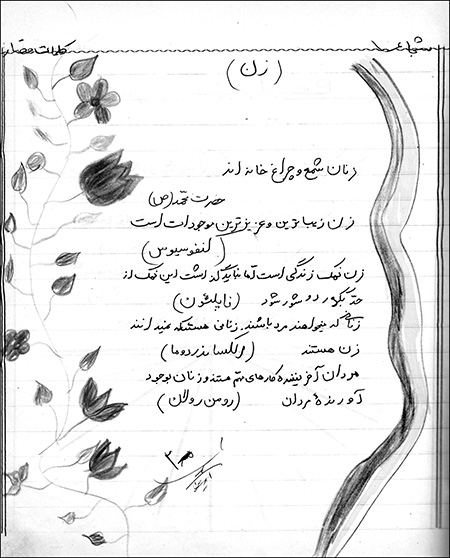
Example of extracurricular literature work during high school
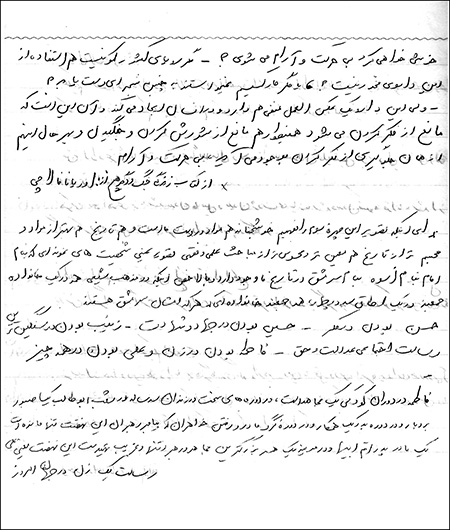
Note-taking from favorite books during adolescence
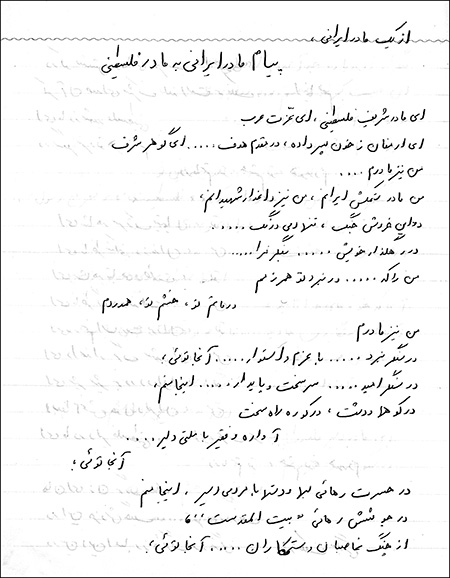
First page of the poem “Message from an Iranian Mother to a Palestinian Mother”
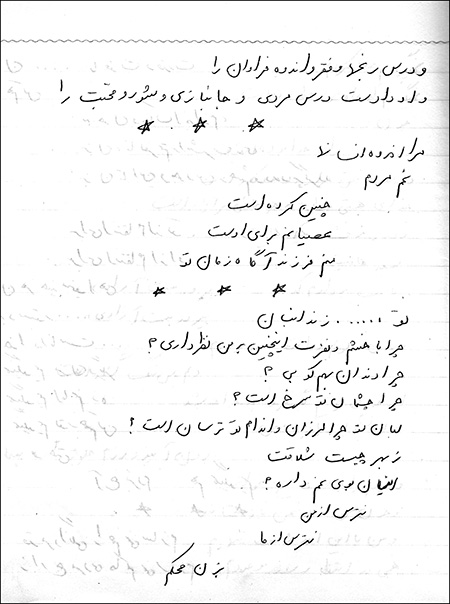
A page of the poem “The Prisoner”
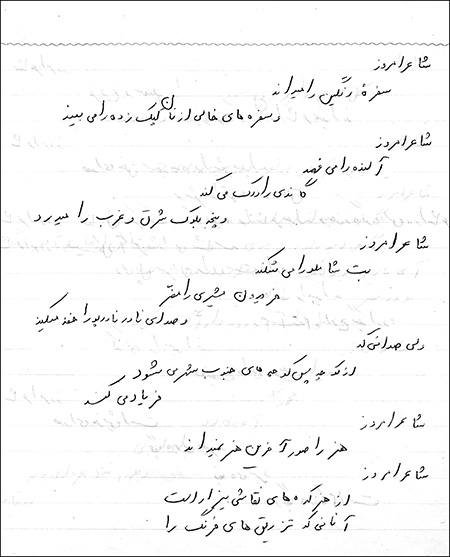
A page of the poem “Poet of Today”
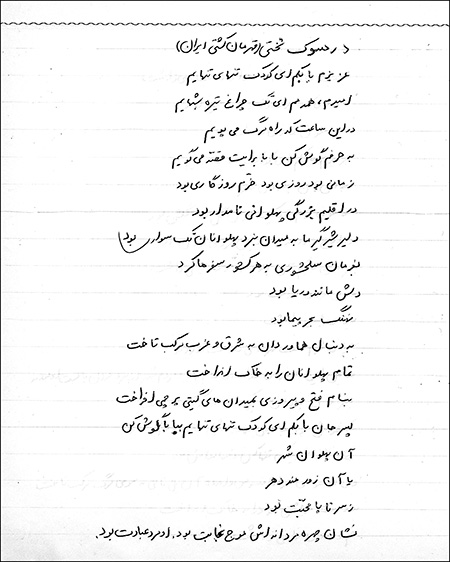
First page of the poem “In Mourning a Throne”
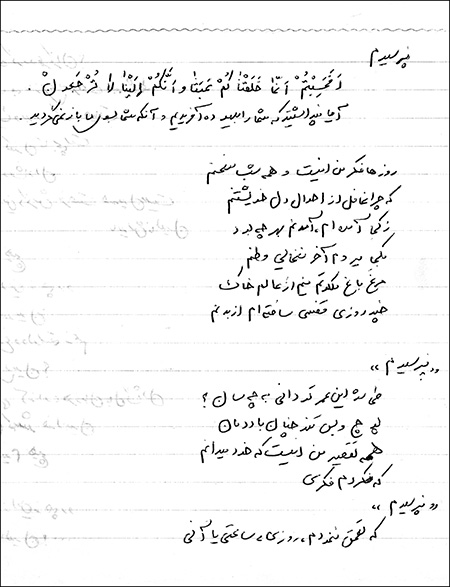
First page of the recitation of “I Didn’t Ask”
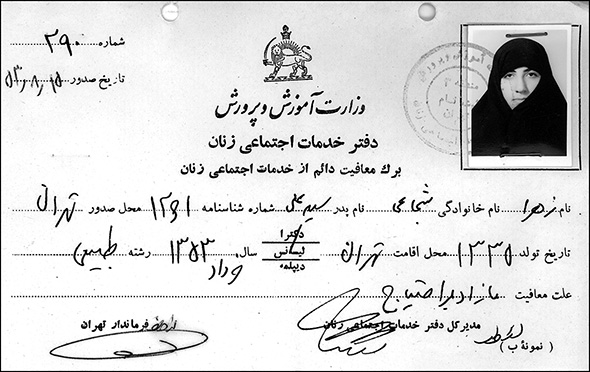
Certificate of exemption from military service
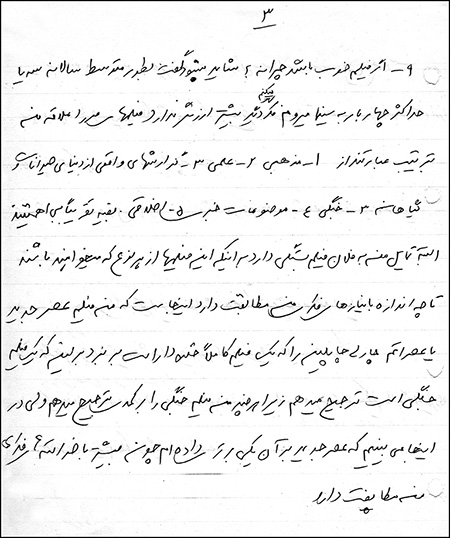
A page of Mr. Tavana’s answers to the questions on the marriage request
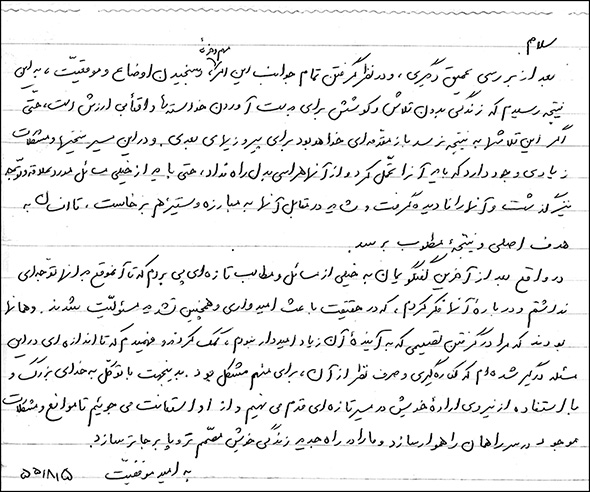
Zahra Shojaei’s consent to Mr. Tavana’s marriage request
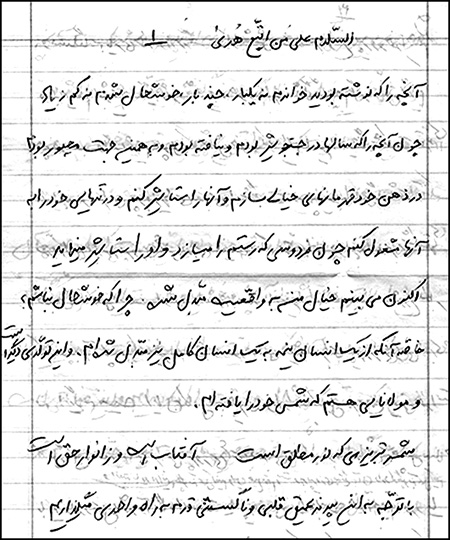
First page of Mr. Tavana’s answer to Zahra Shojaei
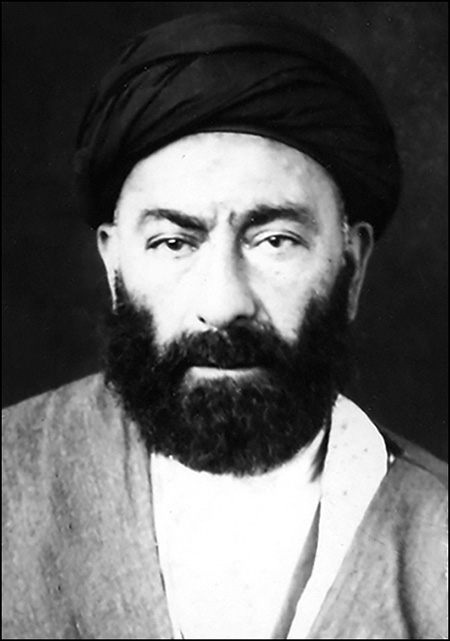
Seyed Mohammad Shojaei (grandfather)
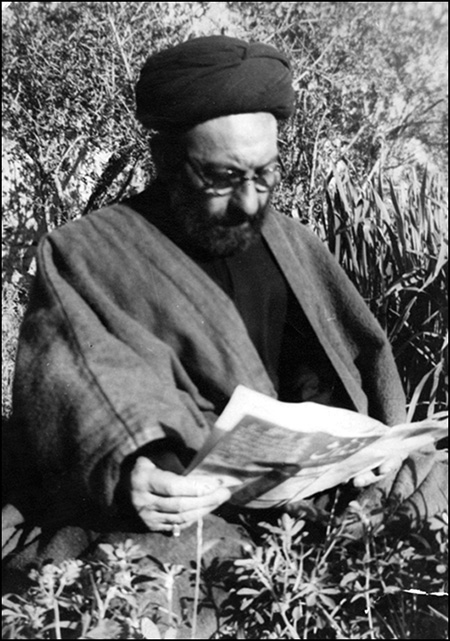
Seyed Mohammad Shojaei (grandfather)
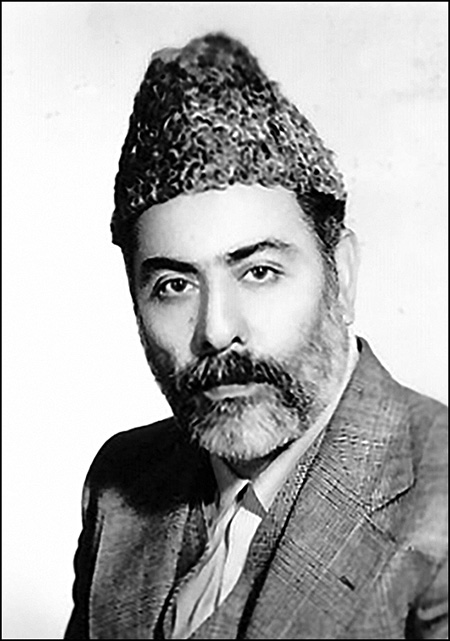
Seyed Ali Shojaei (father)
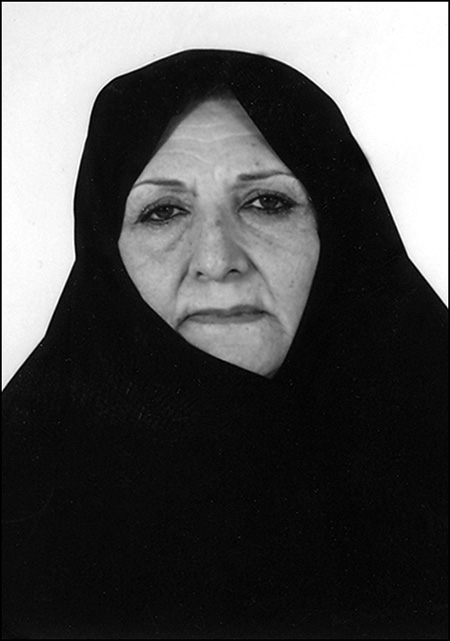
Parichehra Sadeghipour (mother)
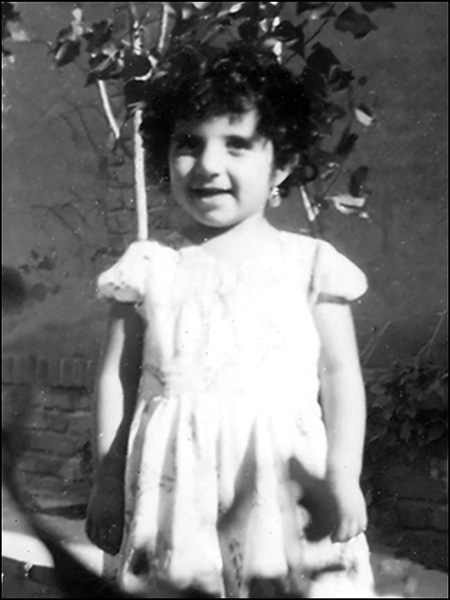
Zahra Shojaei (three years old)
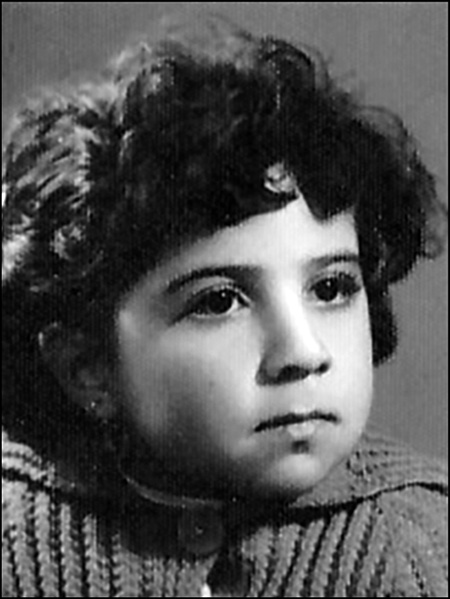
Zahra Shojaei (5) (age)
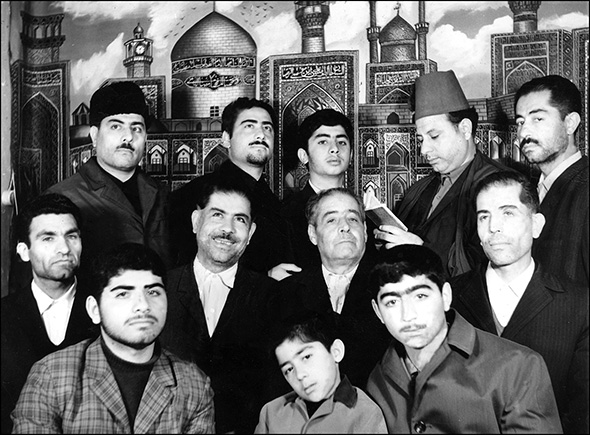
Mashhad, first row from left: first person Seyyed Ali Shojaei (father) - second person Seyyed Abbas Shojaei (uncle) - last person Seyyed Hassan Shojaei (uncle).Second row from left: Second row Seyyed Ahmad Shojaei (uncle) - Last row Seyyed Nasrallah Shojaei (uncle). Third row from left: First row Seyyed Masoud Shojaei (brother) - Second row Seyyed Mehdi (Mohammad) Shojaei (cousin).
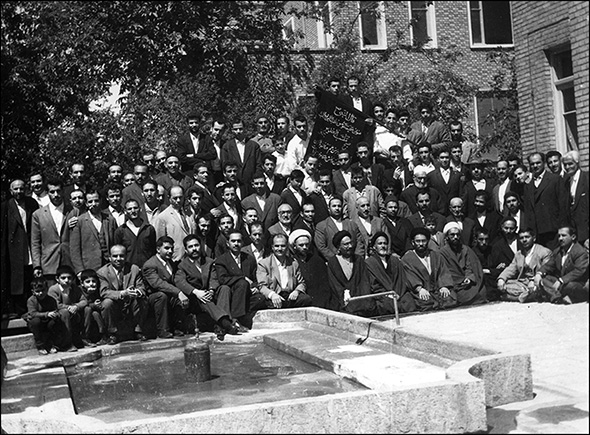
Al-Ghadir delegation. First row, seated from left: Second and third row Seyyed Mahmoud and Seyyed Masoud (brothers) - Sixth row Seyyed Ali Shojaei (father) and twelfth row Seyyed Hussein Shojaei (uncle)
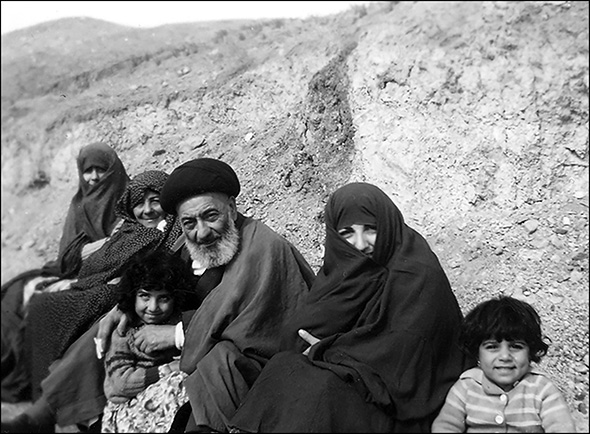
Iraq, Khanaqin, 1340, from right: Maliha (sister) - Parichehra Sadeghipour (mother) - Seyyed Mohammad Shojaei (grandfather) - Zahra Shojaei - Shahrbanoo Amouei (grandmother) - Ehtar Sadat Shojaei (aunt)
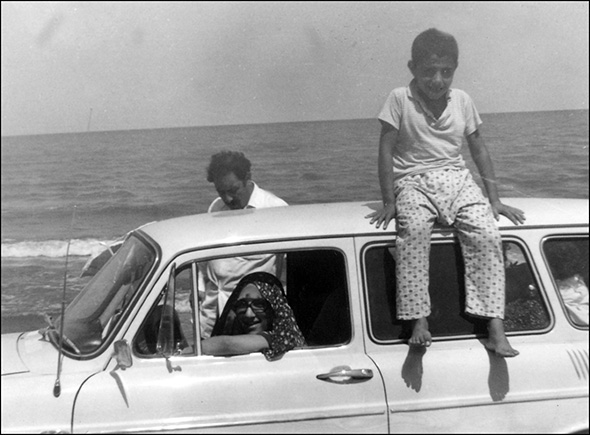
Rudsar coast: Seyyed Mehdi Shojaei (brother) - Zahra Shojaei - Seyyed Ali Shojaei (father)
Number of Visits: 738



The latest
- Oral history News for Mordad 1405 (July 23rd to August 22nd 2026)
- The Miracle of Hafez
- 100 Questions / 44
- The Third Regiment: Memoirs of an Iraqi Prisoner of War - 44
- Don't leave us indifferent
- Memories of Abbas Jahangiri
- Review of the article “Pathology of Documentary Research of the American Embassy Documents”
- 100 Questions / 43
Most visited
- Theory Five: The borderline status of the source in oral history
- The Third Regiment: Memoirs of an Iraqi Prisoner of War-43
- 100 Questions / 43
- Memories of Abbas Jahangiri
- Don't leave us indifferent
- Review of the article “Pathology of Documentary Research of the American Embassy Documents”
- The Third Regiment: Memoirs of an Iraqi Prisoner of War - 44
- 100 Questions / 44
100 Questions/ 34
To what extent are we allowed to use narrative techniques (however simple) in compiling an oral history text?We asked several researchers and activists in the field of oral history to express their views on oral history questions. The names of each participant are listed at the beginning of their answers, and the text of all answers will be published on this portal by the end of the week.
Validation: Challenges and Necessities
Where does truth stand in oral history? How can the correctness of a narrative be recognized? Does fact-checking matter? If there is exaggeration in the reporting of some accounts, how can it be detected? Is it possible to record an event accurately through the recording of a narrative? Readers and users of oral history works are often faced with these questions, and sometimes encounter doubts about some oral history works.From Revolutionary Circles to the Military Arm of the Islamic Government
In those days, it became clear that certain institutions had to be established very quickly—institutions suited to the temperament, expectations, and lingering aspirations of the younger generation; young people who had been politically active before the Revolution and, in some cases, had been directly entangled in arrests, imprisonment, ...Authenticating Oral History: From Possibility to Necessity
The use of oral history as one of the historical sources has long been one of the principal challenges facing oral historians and those who employ it in contemporary historiography. The development of international standards for oral history, as well as IRIB standards, was intended to address the criticisms raised in this regard. The relationship between Diplomatics in written records and oral history is reciprocal.