Those, who do not make attempt, do not feel comfortable
Hamid Ghazvini
Translated by: Fazel Shirzad
2020-4-14
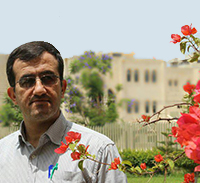 ■The song of change and renewal of nature is heard from every direction, and spring presents its beauties.
The air became Jesus, breath, and the dust, musk-diffusing
Green, the tree became; and into song the bird came[1]
(Hafez Shirazi)[2]
This spring, slowly and drunkenly, along with Eid al-Maba'ath[3] is celebrated, and it is a link between Iranian culture and prophetic tradition and bring a monotheistic worldview for all.
I'm happy in the world because the world is flourish from God
I love all the world because the world come from God[4]
(Saadi Shirazi)
Unfortunately, Iranian people, these days, have an uninvited stranger and gust, which has caused their suffering and sadness; it is an in interloper that sometimes results in death. This ominous gust tries to influence the spring and push away the happiness and flourishing. That is why, the first days of New Year have a different color and smell. On the one hand, pain, fever and shortness of breathiness, and on the other hand, sacrifice, resistance and service of members of the Health Front who have kept hope alive. This honor country has been repeatedly attacked by impostors and vulgarisms and enormous costs has been imposed to it , but Iran and Iranian people persist and continue to evolve. The life history of Iranian residents have shown that they were always defending themselves against any aggression targeted their nature and essence; thy used it as an opportunity to grow. That is why, I believe that Iran's cultural and civilizational background is a valuable asset to overcome this crisis.
For the next few weeks, the Corona virus will left here, and these hard times will be ended. On that day, another glorious page will be added to the Iranian life history. This time is an important experience in storing the knowledge of the people of this country.
Do not complain about the sadness in the way of desire
Those, don’t make attempt, don’t feel comfortable
(Hafez Shirazi)
[1]Original Translated by Wilberforce Clarke (1870-1905).
[2] He, known by his pen name Hafez and as "Hafiz", was a Persian poet who "lauded the joys of love and wine but also targeted religious hypocrisy".
[3] That is, Muhammad's revelation, an event described in Islam as taking place in 610 AD, during which the Islamic prophet, Muhammad was visited by the archangel Jibrīl, known as Gabriel in English, who revealed to him the beginnings of what would later become the Qur’an.
[4] This poem has been written by Saadi, also known as Saadi of Shiraz, was a major Persian poet and prose writer of the medieval period. He is recognized for the quality of his writings and for the depth of his social and moral thoughts
Number of Visits: 4630



The latest
- Memoirs of Majid Yousefzadeh
- Oral History News/April–May 2026
- Expert Panel Session on Oral History of the Country – (Part 1)
- 100 Questions/ 32
- Third Regiment: Memoirs of an Iraqi Prisoner of War Doctor – 32
- Ta An Setareh (Up to that Star) (Part One)
- Memoirs of Mohammad Kazem Taqavi
- Theory Two: The Borderline Legitimacy Crisis of Oral History in the Academic System
Most visited
- 100 Questions/ 30
- Third Regiment: Memoirs of an Iraqi Prisoner of War Doctor – 31
- 100 Questions/ 31
- Theory Two: The Borderline Legitimacy Crisis of Oral History in the Academic System
- Ta An Setareh (Up to that Star) (Part One)
- Memoirs of Mohammad Kazem Taqavi
- Third Regiment: Memoirs of an Iraqi Prisoner of War Doctor – 32
- 100 Questions/ 32
Authenticating Oral History: From Possibility to Necessity
The use of oral history as one of the historical sources has long been one of the principal challenges facing oral historians and those who employ it in contemporary historiography. The development of international standards for oral history, as well as IRIB standards, was intended to address the criticisms raised in this regard. The relationship between Diplomatics in written records and oral history is reciprocal.100 Questions/27
What is the place of research ethics in compiling oral history?We asked several researchers and activists in the field of oral history to express their views on oral history questions. The names of each participant are listed at the beginning of their answers, and the text of all answers will be published on this portal by the end of the week.
Photo Album from The Doctor of fly
The Doctor of fly, authored by Fatemeh Dehghan Niri, presents the memoirs of Dr. Mohammad-Taqi Khorsandi Ashtiani, Professor Emeritus and a subspecialist in Otolaryngology at Tehran University of Medical Sciences. Compiled within the framework of oral history, the work recounts different stages of his life—from childhood and years of ...The Beating Pulse of a Nation at the Moment of Nowruz
Every year, in the days and nights leading up to Nowruz, Shohada Square had a special charm. A few days before the New Year, the shops would fill with customers, and street vendors would take over the sidewalks. You could find everything in their stalls (from items for the Haft Sin table, candles, goldfish, and spring flowers to clothes, bags, and shoes).